

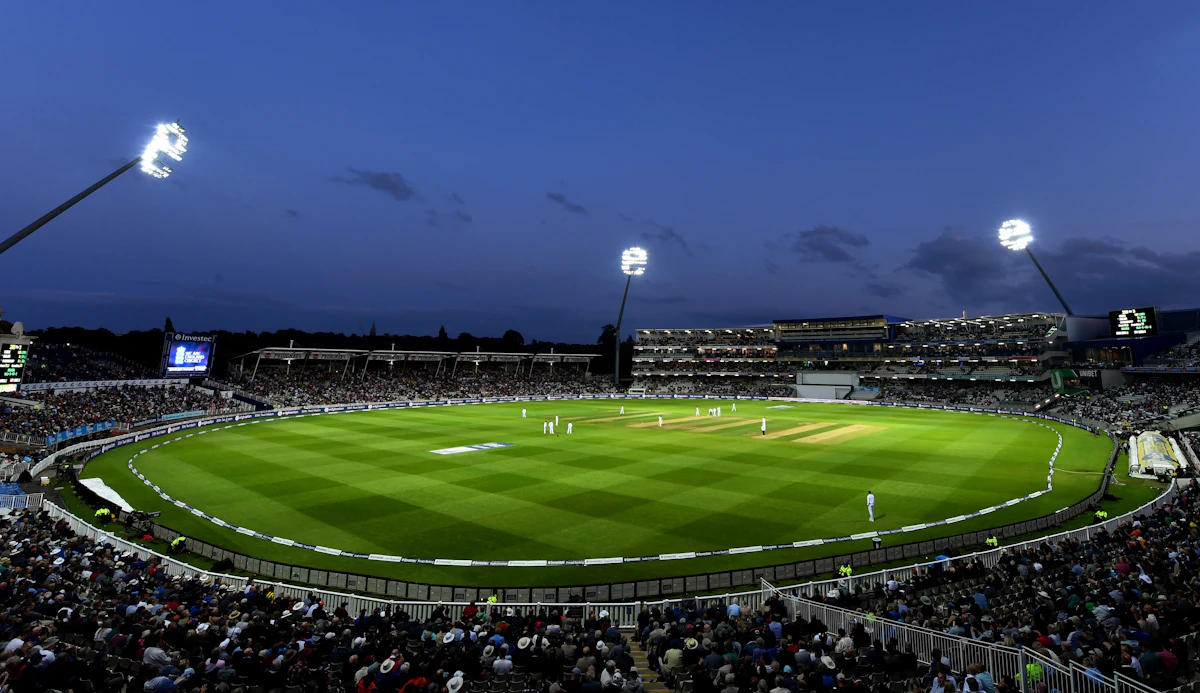
Galle International Stadium: History, Pitch Report, Test Records, and Ultimate Fan Guide
Nestled on the southwestern coast of Sri Lanka, flanked by the azure waters of the Indian Ocean and overlooked by a centuries-old Dutch fortress, the Galle International Stadium stands as one of the most picturesque and distinct cricket venues on the planet. Known to cricket purists and travel enthusiasts alike as an arena where rich heritage meets athletic prowess, Galle is far more than a sports ground—it is a symbol of resilience, spin-bowling wizardry, and coastal grandeur.
This comprehensive, guide explores the complete history, architectural significance, pitch characteristics, historic match records, and essential visitor tips for the Galle International Stadium.
1. The Heritage & History: From Colonial Racecourse to World-Class Venue
The roots of the ground date back to the late 19th century. Originally known as "The Esplanade," the site served primarily as a horse racing track starting in 1876. It was not until 1892 that municipal officials suggested developing the grounds for cricket. In 1927, horse racing was officially phased out, establishing the venue as a dedicated cricket ground for the Galle Cricket Club.
First Test Match: June 3–7, 1998 (Sri Lanka vs. New Zealand)
Initial Result: Sri Lanka won convincingly by an innings and 16 runs, laying the foundation for Galle as a fortress for Sri Lankan Test cricket.
The venue made its transition to international status decades later. On June 3, 1998, Galle hosted its maiden Test match against New Zealand. Sri Lanka dominated the inaugural contest, setting a precedent that would turn Galle into one of the most formidable home fortresses in international red-ball cricket. Official updates and fixtures can be viewed on the Sri Lanka Cricket Official Portal.
2. Unrivaled Location: Under the Shadow of Galle Fort
What elevates Galle International Stadium into elite world status is its breathtaking geographical setting.
- Coastal Bounded Layout: The ground is bordered on two sides by the Indian Ocean, creating sea breezes that frequently affect swing and air dynamics.
- UNESCO World Heritage Neighbor: Standing directly behind the boundary walls is the 16th-century Galle Fort, built by the Portuguese and later fortified by the Dutch. Fans often gather atop the ancient ramparts to watch Test matches with a panoramic view of the action and the sea. You can read more about the fort's history at the UNESCO World Heritage Centre.
The contrast of modern red-ball Test cricket against 400-year-old ramparts makes Galle a top destination for traveling cricket lovers, notably the Barmy Army during England's tours of Sri Lanka.
3. Tragedy and Triumph: The 2004 Tsunami and Reconstruction
On December 26, 2004, tragedy struck when the devastating Indian Ocean tsunami inundated the coastal city of Galle. The stadium, positioned directly along the coast, suffered total inundation and extensive physical destruction. The pitch, pavilions, and outfield were ruined, throwing the venue's future into uncertainty.
The Phoenix Rising Moment
Faced with administrative debates over relocating the ground, the international cricket community rallied behind Galle. Legendary figures like Australian leg-spinner Shane Warne (who took his 500th Test wicket here) and former England captain Ian Botham raised significant relief funds and aid to rebuild the venue.
Reconstruction officially concluded in late 2007, and the venue reopened for international cricket in December 2007 when Sri Lanka played England. Today, the rebuilt stadium features modernized player rooms, upgraded media boxes, and reinforced coastal defenses while maintaining its open-air charm.
4. Pitch Report & Playing Conditions: The Spin Paradise
Among curators and captains worldwide, Galle is renowned as one of the world's most pronounced spin-bowling havens.
Pitch Dynamics by Day
- Days 1–2 (Batting Advantage): The pitch typically offers even bounce and firm surface conditions early on. High first-innings totals are common, making the toss vital.
- Day 3 (Breakdown & Variable Bounce): Tropical heat dries out the surface, causing cracks to open. Spinners begin getting significant turn and variable bounce off the pitch.
- Days 4–5 (Spin Domination): Batting last in Galle is considered one of Test cricket's tougher challenges. Turners offer sharp bite, making reverse sweep shots and close-in catching vital.
| Venue Parameter | Details & Specifications |
|---|---|
| Stadium Capacity | 35,000 Spectators |
| Pitch Type | Dry, Clay-based Grass (Spin-Friendly) |
| Bowling Ends | City End & Fort End |
| Floodlights Installed | No (Primarily Test Cricket Venue) |
Historical match data indicates that over 68% of all wickets fallen at Galle International Stadium have been taken by spin bowlers, emphasizing the venue's reputation. Official regulations and pitch match standards are overseen under the guidelines of the International Cricket Council (ICC).
5. Landmark Matches & World Records
Galle's unique environment has produced several memorable moments in international cricket history.
1. Muttiah Muralitharan’s 800th Test Wicket (2010)
In July 2010, Sri Lankan spin legend Muttiah Muralitharan entered his final Test match needing eight wickets to reach 800 Test scalps. On Day 5 against India, Muralitharan dismissed Pragyan Ojha to claim his 800th wicket with his final delivery in Test cricket, sealing a victory for Sri Lanka. He finishes as the ground's leading wicket-taker with 111 wickets in just 15 matches.
2. Chris Gayle’s Triple Century (2010)
West Indian batsman Chris Gayle produced an extraordinary batting performance in November 2010, scoring 333 runs against Sri Lanka. It remains the highest individual Test score recorded at this venue.
3. Rangana Herath’s Left-Arm Mastery
Rangana Herath turned Galle into his personal hunting ground, taking 102 Test wickets at the venue. In 2017, Herath surpassed Wasim Akram's record at Galle to become the most successful left-arm bowler in Test cricket history.
6. Key Statistical Highlights at Galle
| Record Category | Player / Team Record | Details |
|---|---|---|
| Highest Team Total | Sri Lanka (704/3 dec) | vs. Ireland (2023) |
| Lowest Team Total | South Africa (73/10) | vs. Sri Lanka (2018) |
| Most Individual Runs | Mahela Jayawardene | 2,382 Runs in 27 Matches |
| Most Wickets | Muttiah Muralitharan | 111 Wickets (Avg: 18.50) |
| Best Bowling in an Innings | Muttiah Muralitharan (7/46) | vs. England (2003) |
7. Fan Experience & Travel Guide
Visiting Galle International Stadium during a match is an experience distinct from almost any other cricket ground in the world.
Getting There
- By Train: The Coastal Line from Colombo Fort to Galle Station offers ocean views throughout the trip. The stadium is located less than 500 meters from Galle Railway Station.
- By Expressway: The Southern Expressway (E01) connects Colombo to Galle in under 2 hours by car or highway bus.
Seating & Viewing Options
- The Ramparts (Galle Fort): Free viewing from the old walls offers broad views of the ground and sea.
- Grass Embankment: Provides a traditional, relaxed crowd experience.
- Main Pavilion: Covered seating options protected from tropical heat or rain.
Frequently Asked Questions (FAQs)
Q1: Is Galle International Stadium open to tourists on non-match days?
Answer: Yes! Visitors can explore the perimeter, visit the Galle Fort walls overseeing the venue, and occasionally take guided tours through the Galle Cricket Club facilities when matches are not underway.
Q2: Why does Galle Stadium not have floodlights?
Answer: The close proximity to the UNESCO-protected Galle Fort imposes strict heritage preservation regulations on construction height and artificial lighting towers, keeping it primarily a day-match Test venue.
Q3: What is the best time of year to visit Galle for cricket?
Answer: The ideal international cricket season in Galle runs during the dry period between December and April, as well as mid-year series windows around July and September.
Conclusion
The Galle International Stadium remains a testament to the traditions of Test cricket. From its emergence from the 2004 tsunami to hosting historic athletic milestones, Galle combines competitive sport with coastal beauty. Whether you are analyzing pitch turners or watching from the ramparts of Galle Fort, this iconic coastal venue holds a special place in world sports history.